September 3, 2026
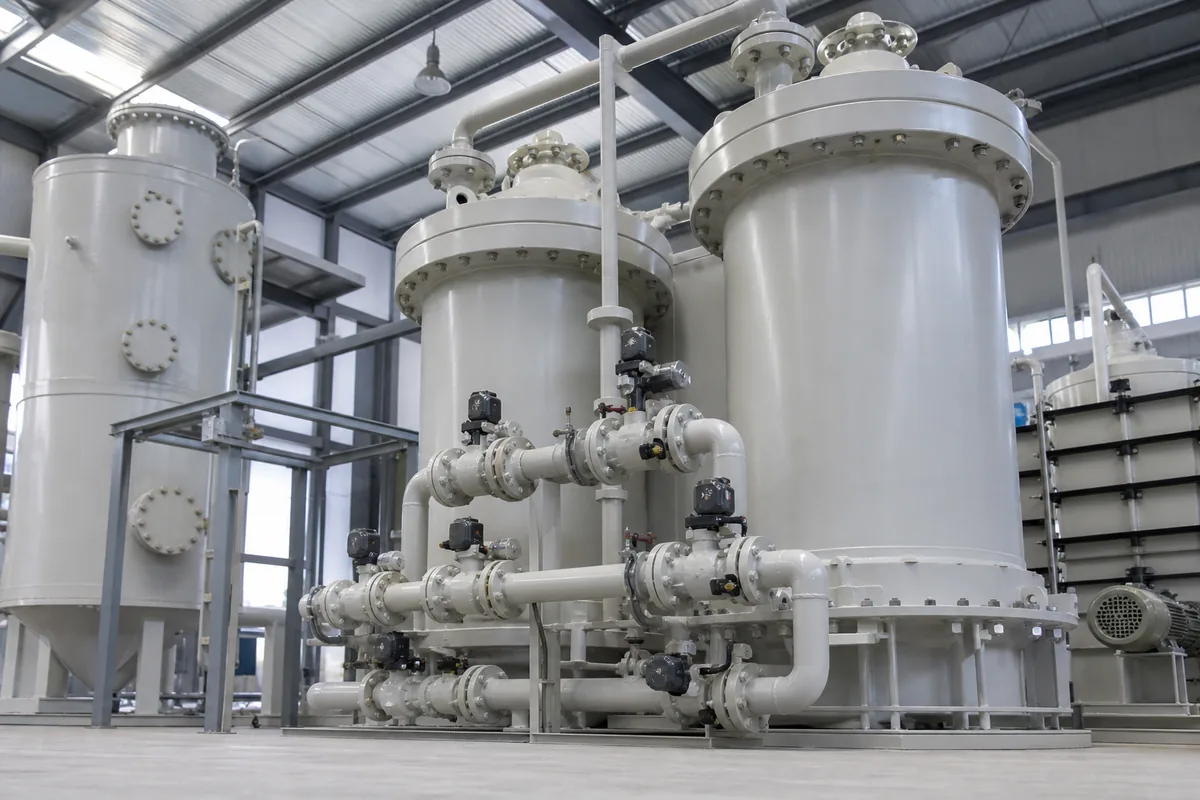
Molecular Sieve vs Activated Carbon for Specific Gases
Compare molecular sieve vs activated carbon for specific gases, including adsorption selectivity, moisture control, VOC removal, and key use cases.
Read articleSizing guides, material choices, troubleshooting and sourcing advice — written by the engineers who build the equipment. New article every day.
Compare molecular sieve vs activated carbon for specific gases, including adsorption selectivity, moisture control, VOC removal, and key use cases.
Read article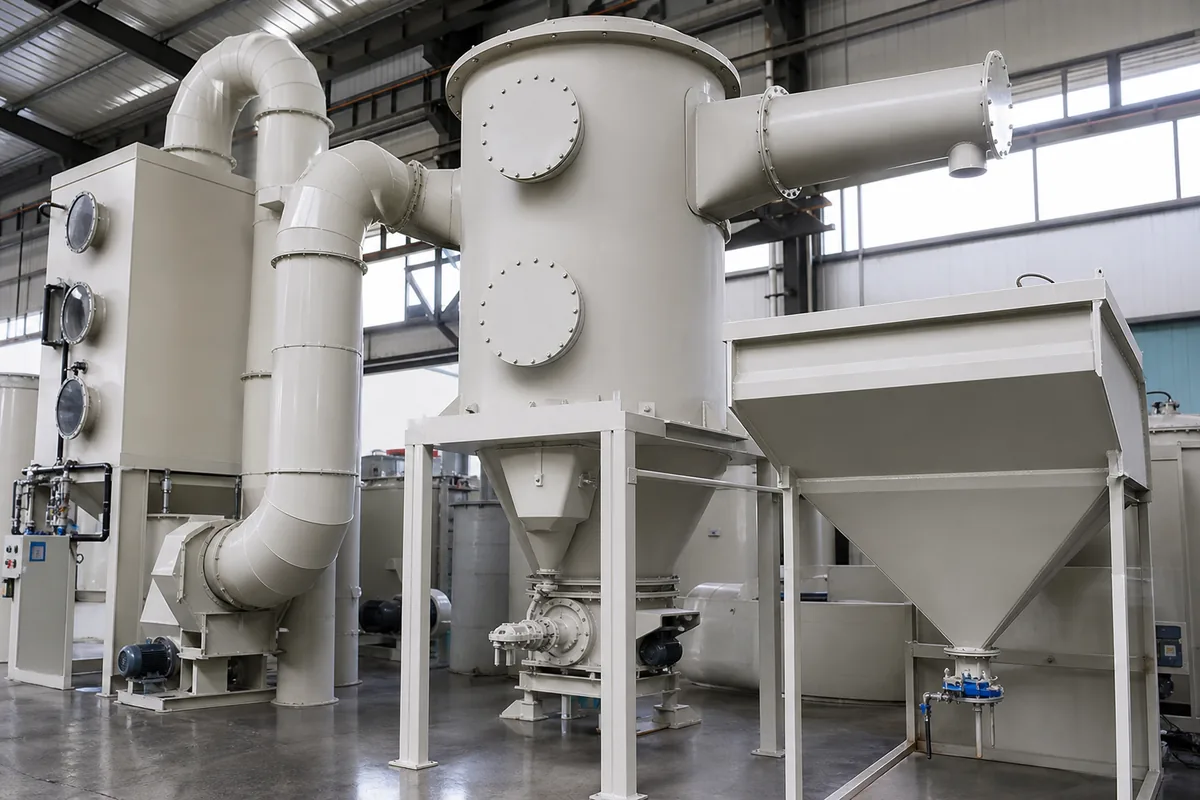
Explore spent activated carbon disposal options, regeneration methods, compliance considerations, and cost-effective ways to manage used carbon safely.
Read article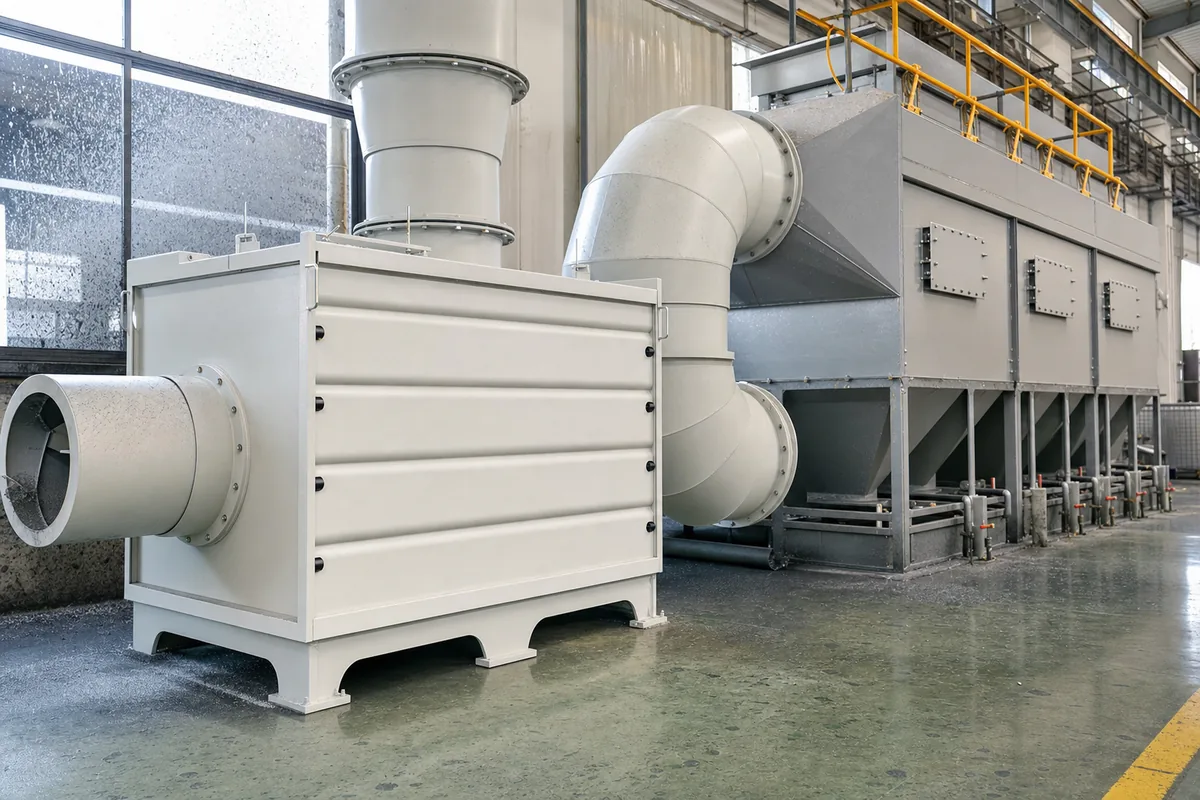
Learn why a pre filter before activated carbon captures paint mist, dust and droplets to protect carbon beds, extend life and improve air filtration.
Read article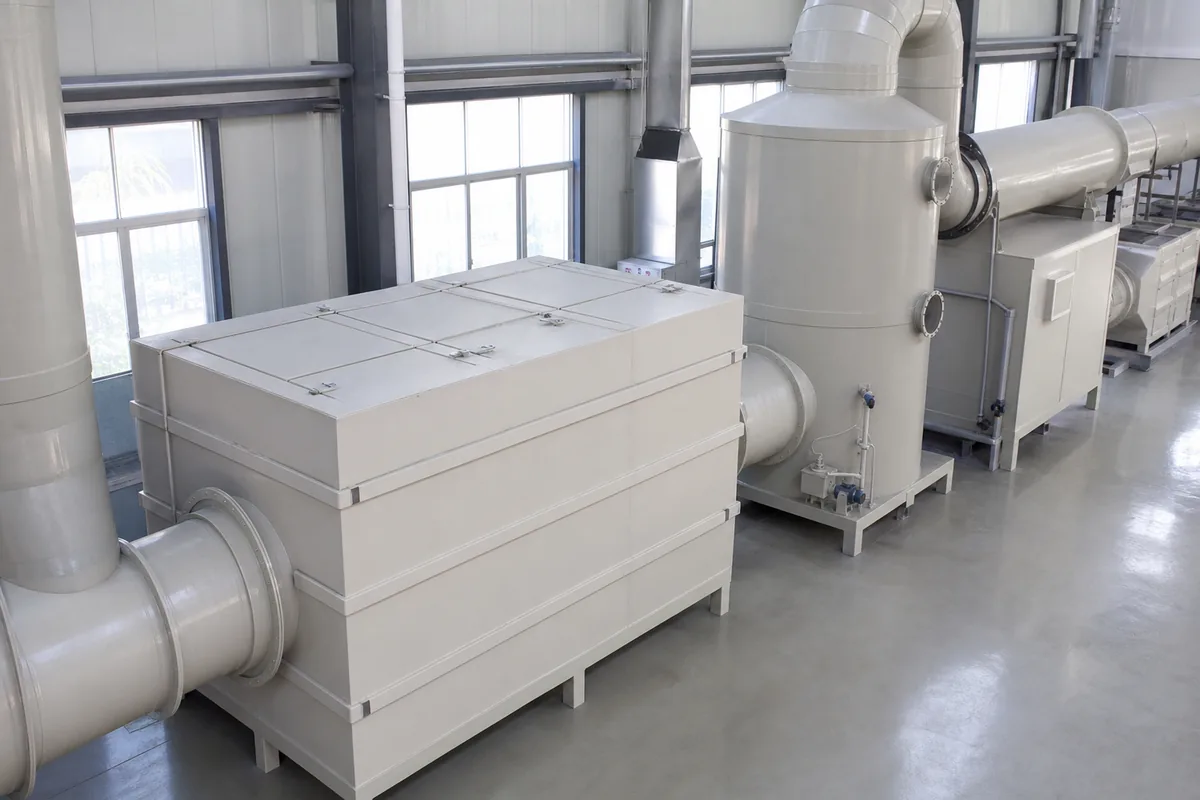
Compare carbon adsorption box vs tower options by site layout, footprint, airflow, maintenance access, and installation needs to choose the right system.
Read article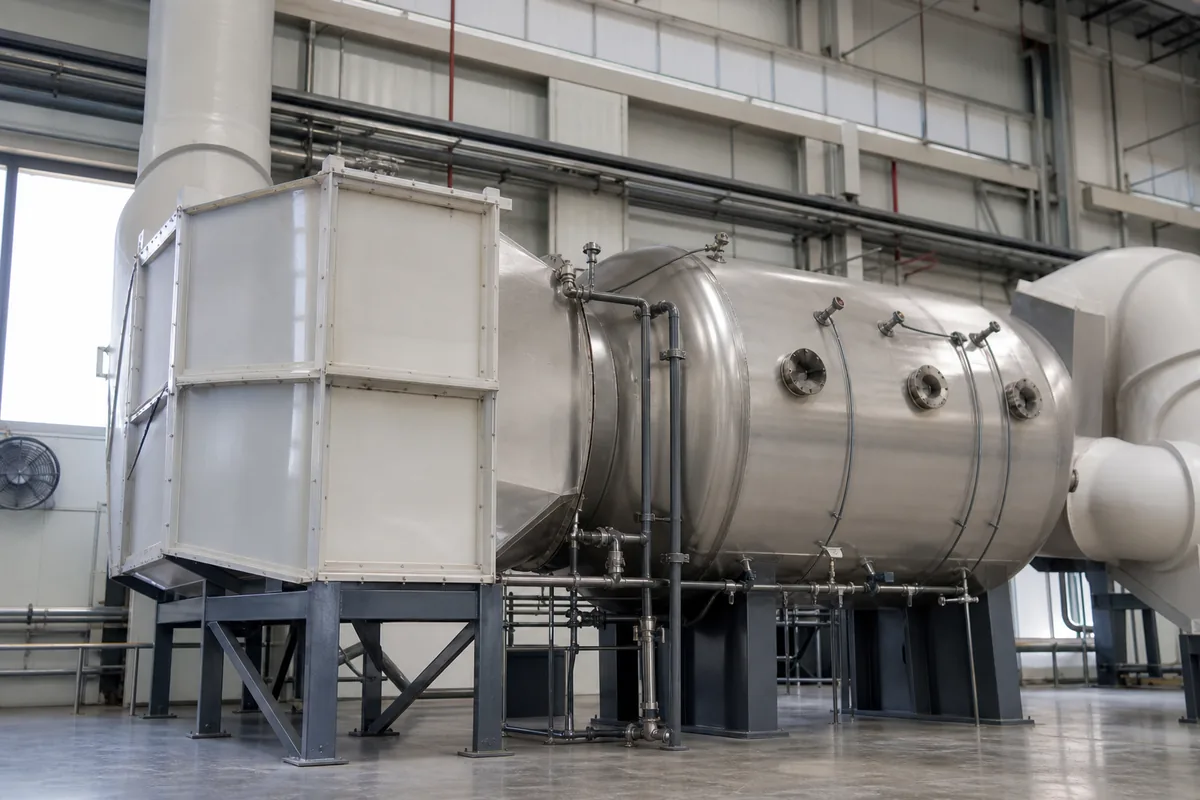
Learn how spark arrestors and bed monitoring improve activated carbon fire safety by reducing ignition risks in industrial carbon adsorbers.
Read article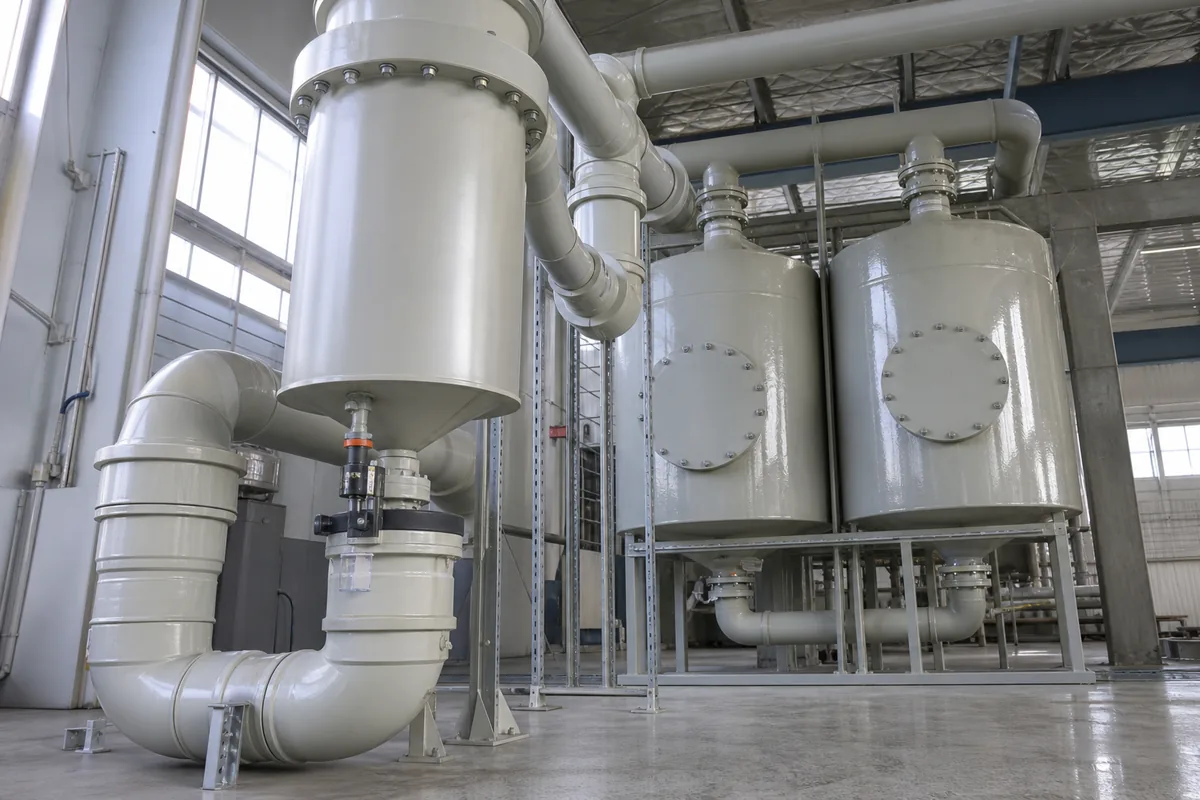
Learn how the humidity effect activated carbon can ruin exhaust carbon beds, reduce odor control, and the cheap fix that restores performance fast.
Read article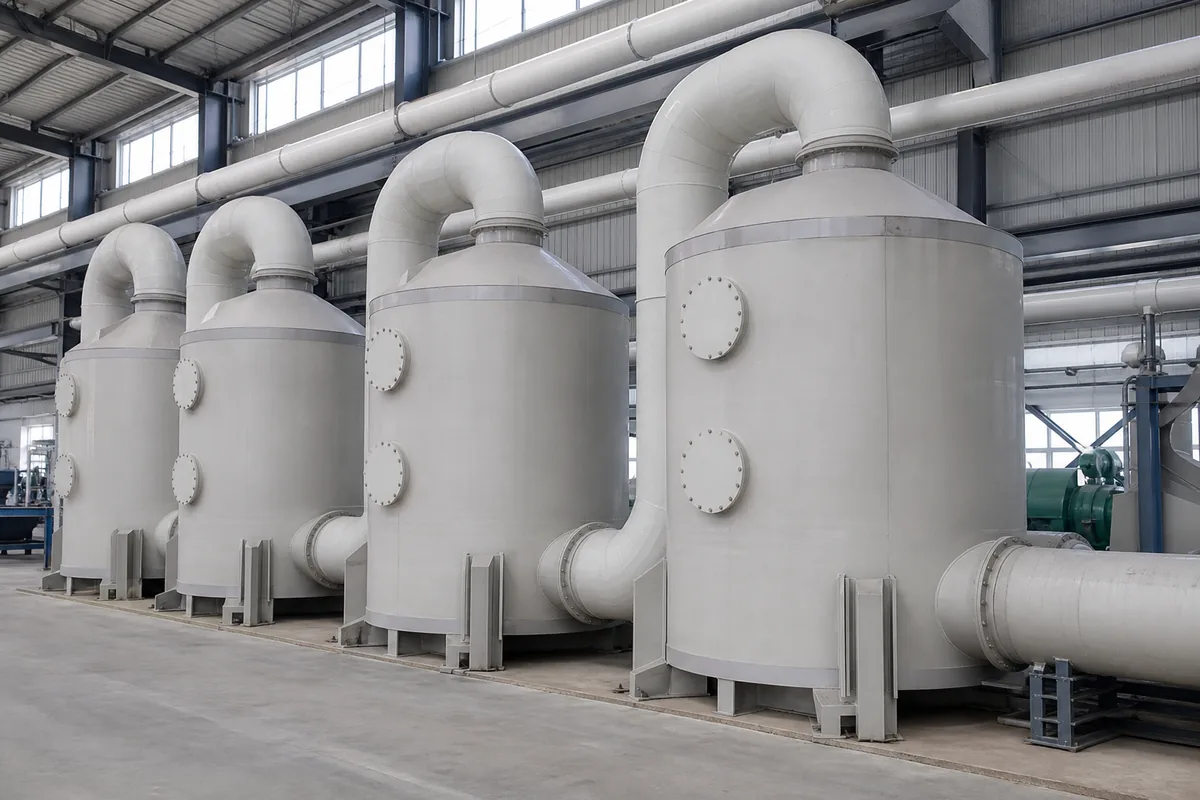
Learn how impregnated carbon odor control removes H2S, ammonia and mercaptans in air treatment systems for safer, fresher industrial environments.
Read article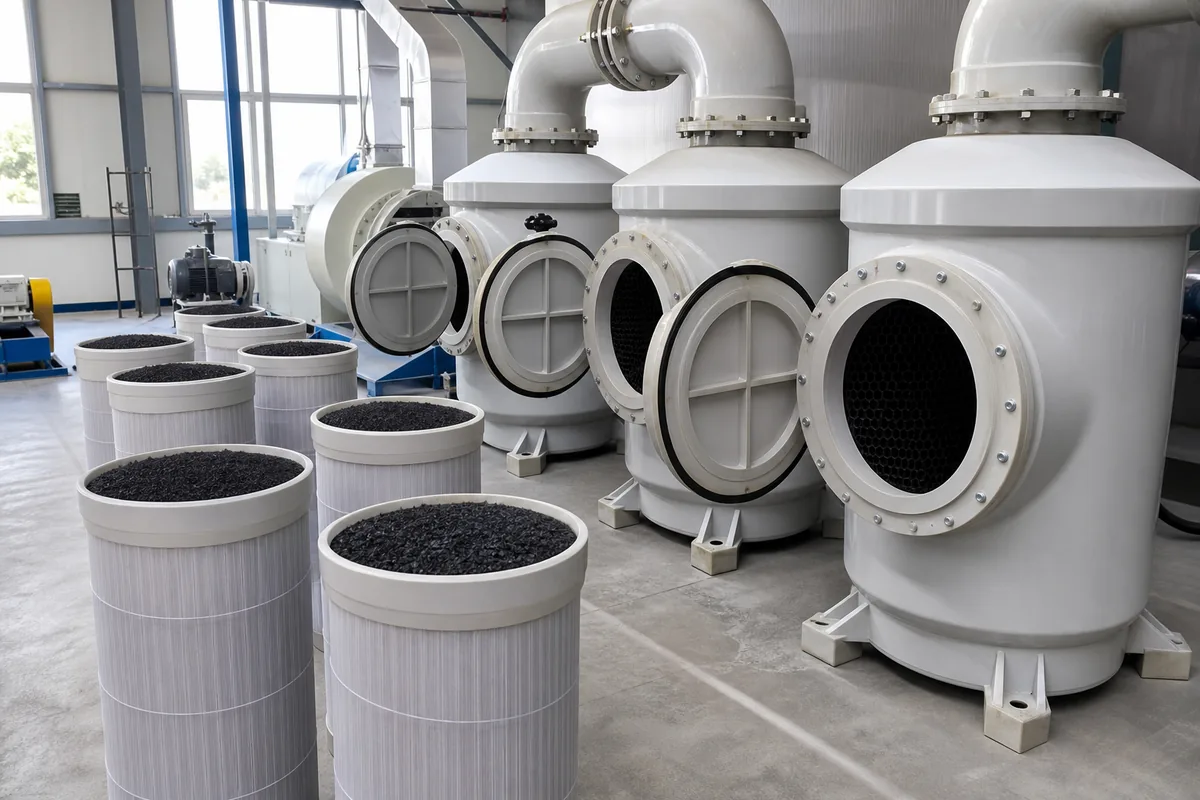
Follow a safe activated carbon change out procedure with PPE, isolation steps, waste handling and downtime planning to reduce risks and delays.
Read article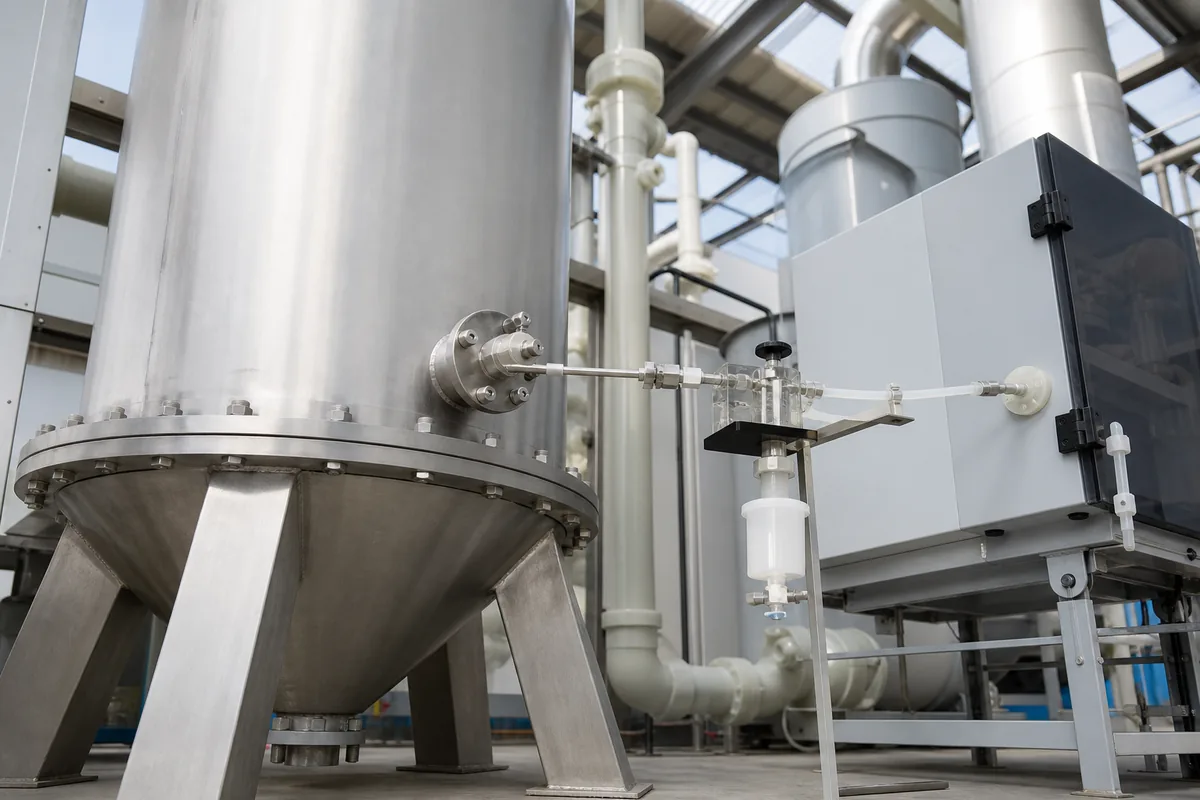
Learn how carbon breakthrough detection helps facilities spot filter exhaustion early, protect compliance, and avoid costly regulator-led violations.
Read article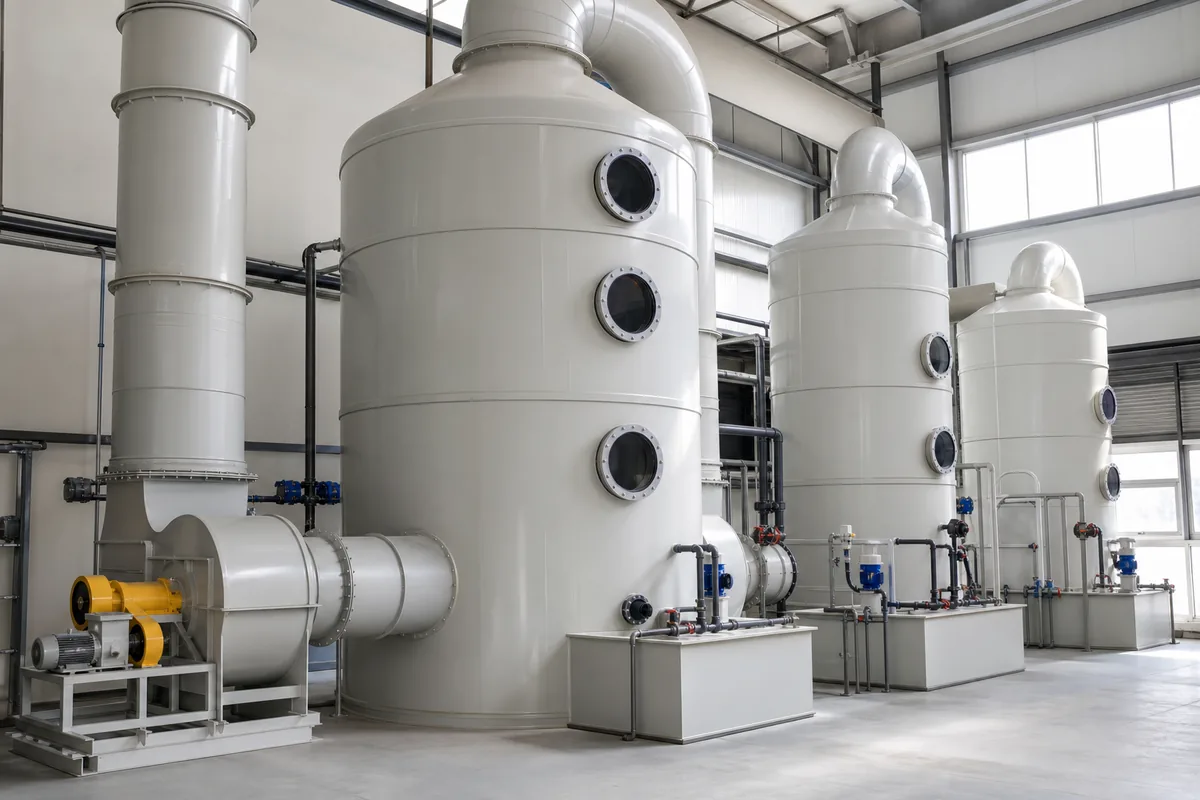
Learn what the activated carbon iodine number really measures, how it relates to micropore capacity, and why it matters when judging carbon quality.
Read article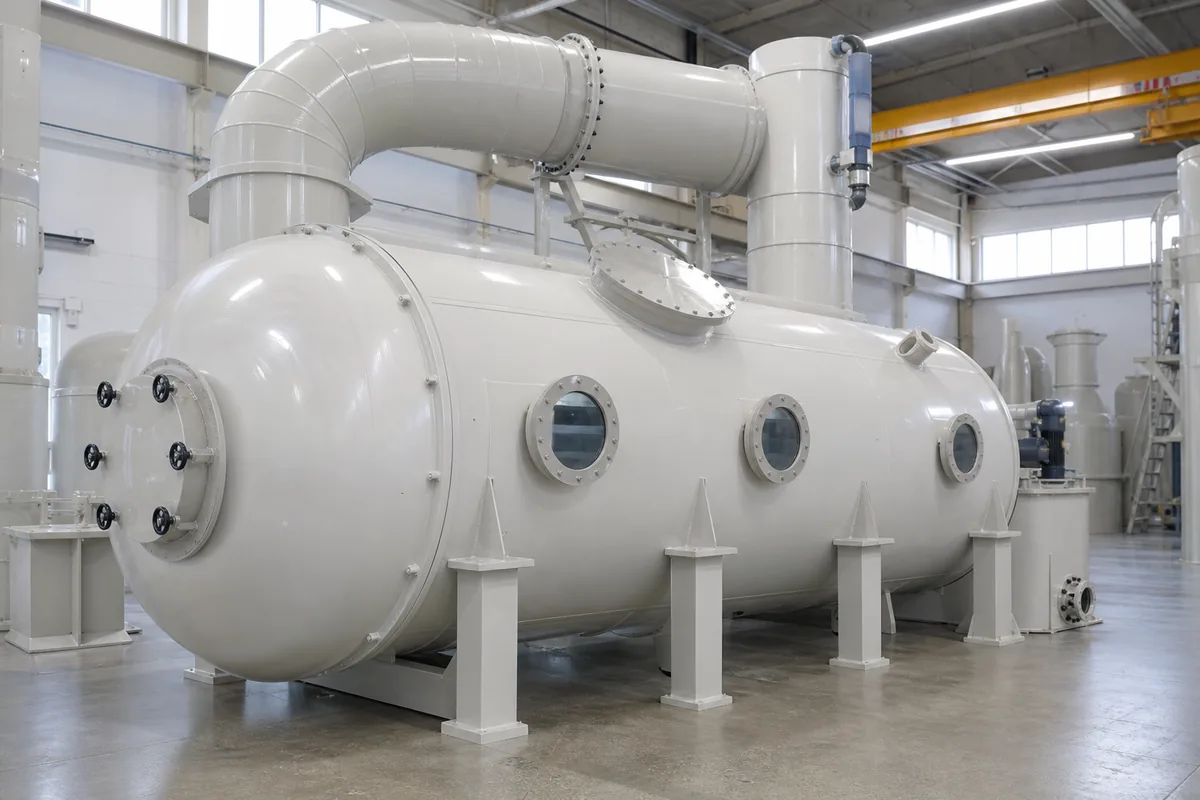
Learn activated carbon adsorber sizing for solvent exhaust, including airflow, VOC load, contact time, carbon capacity, pressure drop, and safety factors.
Read article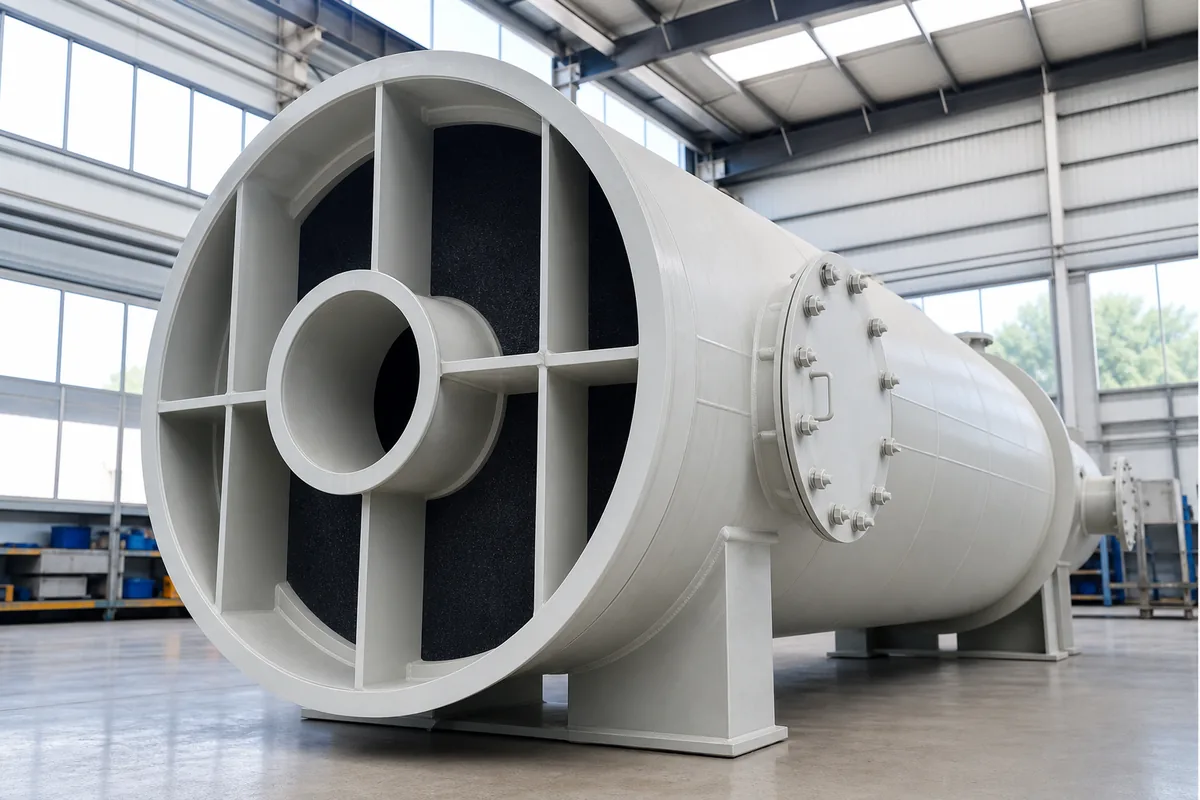
Learn why carbon bed face velocity determines contact time, pressure drop, and whether activated carbon removes contaminants effectively in real systems.
Read articleAn engineer — not a salesperson — reviews every inquiry and replies within 12 working hours with a solution and factory-direct price.